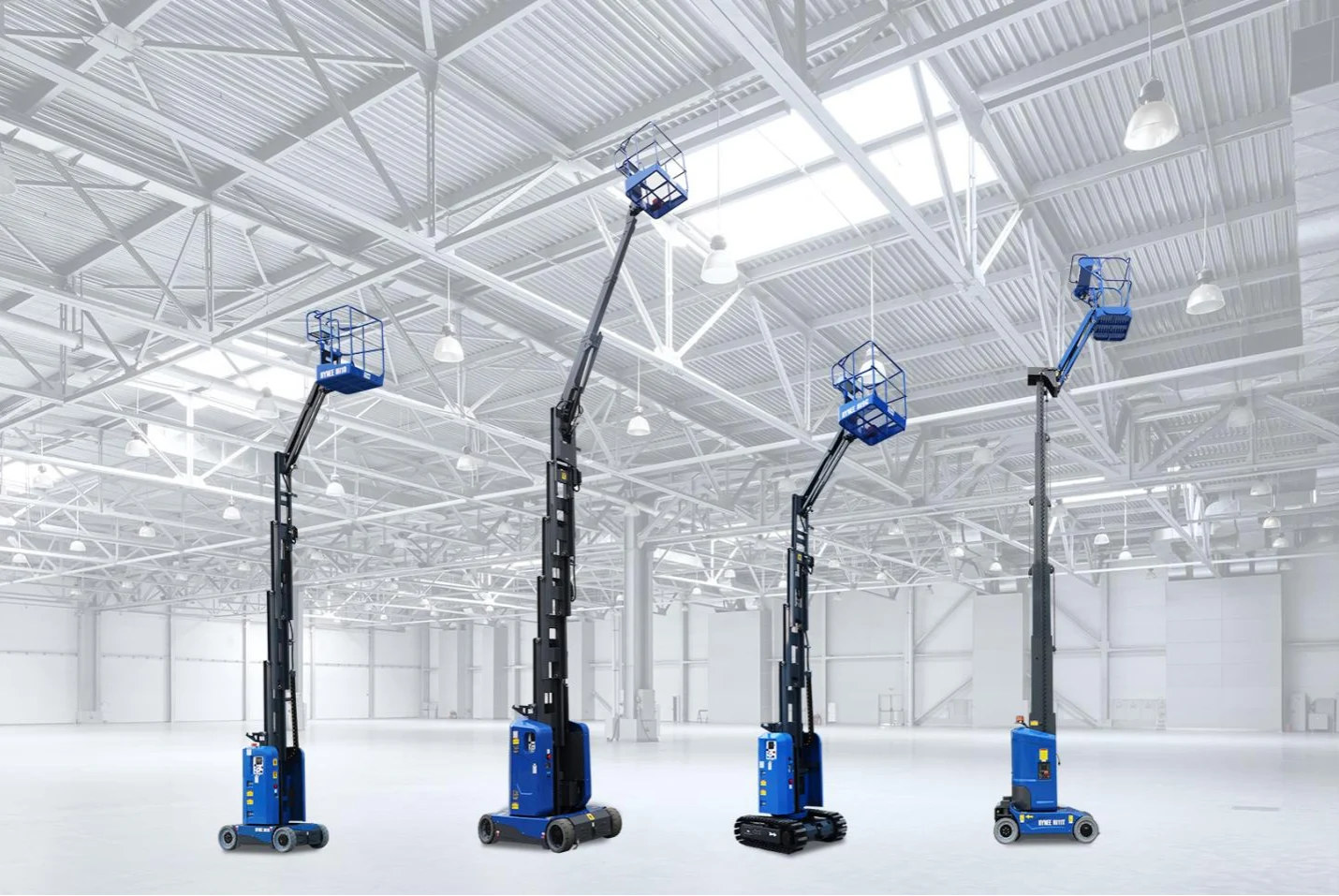
In the construction, maintenance, warehouse, and event industries, aerial work platforms have become essential equipment. This equipment makes it safe and easy to get to high work places. They include vertical mast lifts and articulated booms. Innovation has sped up over the last ten years, and the next wave of development promises to make these platforms even safer, smarter, and more environmentally friendly.
Changes in technology, environmental laws, and the needs of workers are all affecting how manufacturers make and use aerial work platforms. This article looks at the big changes that will shape the sector in the next few years and what they mean for businesses and operators.
Electrification and Eco-Friendly Design
The movement toward entirely electric and hybrid-powered versions is one of the most obvious changes in the aerial work platform industry. Electric platforms have no emissions on site and are quieter to operate because of increasing emissions rules and the requirement for cleaner worksites. This makes them great for usage indoors or in cities where noise and pollution need to be kept to a minimum.
Battery technology is getting better quite quickly. Lithium-ion systems, for example, last longer and take less time to charge. Manufacturers are also looking into energy recovery devices that capture power as the vehicle is going down, which makes it even more efficient. This shift toward renewable energy isn't just about following the rules; it also lowers expenses and helps businesses that care about the environment.
Integration of Smart Technology
Digital technology is changing the aerial work platform from a mechanical lift into a smart piece of equipment that can connect to the internet. Telematics solutions let fleet managers keep an eye on how machines are being used, when they require maintenance, and where they are in real time.
This data-driven method makes predictive maintenance possible, which cuts down on downtime and stops expensive breakdowns. Smart controls also make things safer by stopping the platform from moving when it's not safe or sending operators real-time alerts. As the technology gets better, we may expect additional automated capabilities, such as automatic positioning and self-diagnostics, which will make aerial work platforms increasingly safer and easier to use.
Enhanced Safety Features
Safety has always been a big part of designing aerial work platforms, but new technologies are making them even safer. Advanced load sensors can tell when weight restrictions are getting close, which stops mishaps from happening when things are too heavy. Proximity sensors and systems that help avoid collisions lower the chance of hitting something, especially on busy worksites.
Some models now come with operator aid technologies that automatically make the platform more stable when working at height in windy circumstances. These new ideas not only keep workers safe, but they also help employers follow stricter safety rules and save money on insurance.
Modular and Customisable Designs
The aerial work platform market is also moving toward modular construction. This lets clients customize a base model with alternative platform sizes, control layouts, or mobility options to fit their needs.
Product design is being affected by variances between regions. For instance, platforms made for Middle Eastern markets may put more emphasis on heat-resistant parts, while those made for European cities may put more emphasis on ultra-compact designs for historic neighborhoods. Manufacturers are making solutions that are specific to these needs.
Conclusion
The future of the aerial work platform sector is based on cleaner energy, smarter systems, and safer use. Operators will be able to operate machines that are both more efficient and easier to use as electrification, digital integration, and ergonomic design become standard.
Modular structures and small designs will work for a variety of worksites, and autonomous features will make people more productive than before. To keep up with these developments, organizations need to buy equipment that not only fulfills present needs but is also ready for the future.
