Sheth Jeebun elderly care leadership is becoming an increasingly important concept as healthcare systems evolve and demand stronger leadership from experienced clinical professionals.
Many nurses, therapists, and other healthcare workers reach a point in their careers where they consider moving beyond direct patient care into leadership roles.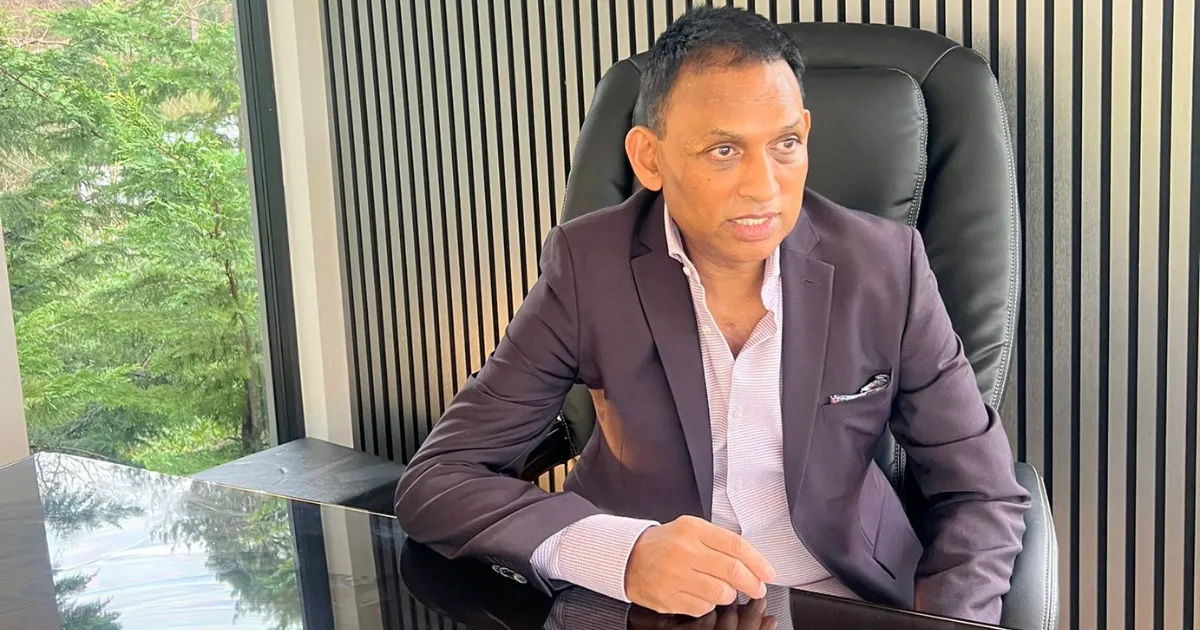
This transition is both exciting and challenging. It requires new skills, a shift in mindset, and a deeper understanding of how healthcare systems function.
In this comprehensive guide, we will explore how professionals can successfully move from clinical roles into leadership positions.
We will discuss the skills required, challenges faced, strategies for success, and the long-term benefits of embracing Sheth Jeebun elderly care leadership in modern healthcare environments.
The Shift from Clinical Work to Leadership
What Changes in the Role?
When transitioning into Sheth Jeebun elderly care leadership, the nature of daily work changes significantly. Clinical roles focus on direct patient care, while leadership roles focus on managing people, systems, and outcomes.
In clinical practice, decisions are often immediate and patient-centered. In leadership, decisions are broader and affect entire teams or organizations. This shift requires professionals to think strategically rather than reactively.
Why Professionals Make the Transition
There are several reasons why individuals pursue Sheth Jeebun elderly care leadership:
- Desire for career growth
- Interest in improving healthcare systems
- Passion for mentoring others
- Need for greater impact beyond individual patient care
This transition is not just a promotion. It is a transformation in identity and responsibility.
Key Skills Required for Leadership Roles
Communication Skills
Strong communication is essential in Sheth Jeebun elderly care leadership. Leaders must clearly express ideas, provide feedback, and listen actively to their teams.
Effective communication builds trust and ensures that everyone understands goals and expectations.
Emotional Intelligence
Emotional intelligence plays a major role in Sheth Jeebun elderly care leadership. Leaders must understand their own emotions and those of others.
This helps in managing conflicts, motivating teams, and creating a positive work environment.
Decision-Making Ability
Leadership requires making difficult decisions. In Sheth Jeebun elderly care leadership, decisions often impact staff, patients, and organizational outcomes.
Good leaders analyze information, consider risks, and act confidently.
Time Management
Managing multiple responsibilities is a key part of Sheth Jeebun elderly care leadership. Leaders must prioritize tasks and ensure that goals are met efficiently.
Challenges in Transitioning to Leadership
Letting Go of Clinical Identity
One of the biggest challenges in Sheth Jeebun elderly care leadership is stepping away from hands-on patient care.
Many professionals feel a loss of identity. They must redefine their purpose and find fulfillment in leading others.
Managing Former Peers
Transitioning into Sheth Jeebun elderly care leadership often means leading people who were once colleagues.
This can create tension. Leaders must establish boundaries while maintaining respect and trust.
Learning New Skills
Clinical training does not always prepare individuals for Sheth Jeebun elderly care leadership.
New skills such as budgeting, policy development, and team management must be learned.
Building Leadership Competence
Education and Training
Formal education can support Sheth Jeebun elderly care leadership. Courses in management, leadership, or healthcare administration are valuable.
Workshops and certifications also help professionals develop essential skills.
Mentorship
Mentorship is a powerful tool in Sheth Jeebun elderly care leadership. Learning from experienced leaders provides guidance and confidence.
Mentors can share real-world insights and help navigate challenges.
Continuous Learning
Healthcare is constantly evolving. Successful Sheth Jeebun elderly care leadership requires ongoing learning and adaptation.
Reading, attending seminars, and networking are all important.
Developing a Leadership Mindset
Thinking Strategically
In Sheth Jeebun elderly care leadership, leaders must think long-term. They need to plan for future challenges and opportunities.
Strategic thinking helps organizations grow and improve.
Taking Responsibility
Leadership comes with accountability. In Sheth Jeebun elderly care leadership, leaders are responsible for outcomes, both good and bad.
This requires confidence and integrity.
Inspiring Others
A key aspect of Sheth Jeebun elderly care leadership is inspiring teams. Leaders must motivate others to perform at their best.
This creates a positive and productive work environment.
Practical Steps for Transitioning
Start with Small Leadership Roles
Taking on small responsibilities can prepare individuals for Sheth Jeebun elderly care leadership.
Examples include leading a project or mentoring new staff.
Seek Feedback
Feedback is essential in Sheth Jeebun elderly care leadership. It helps individuals understand their strengths and areas for improvement.
Constructive feedback supports growth.
Build a Professional Network
Networking is important for Sheth Jeebun elderly care leadership. Connecting with other professionals provides support and opportunities.
Leadership in Elderly Care Settings
Unique Challenges
Sheth Jeebun elderly care leadership involves specific challenges such as managing chronic conditions, ensuring dignity, and addressing emotional needs.
Leaders must balance clinical care with compassion.
Importance of Teamwork
Teamwork is essential in Sheth Jeebun elderly care leadership. Care teams often include nurses, caregivers, and support staff.
Effective collaboration ensures high-quality care.
Focus on Patient-Centered Care
In Sheth Jeebun elderly care leadership, patient-centered care remains a priority.
Leaders must ensure that care plans respect the needs and preferences of elderly patients.
Balancing Clinical Knowledge and Leadership
Maintaining Clinical Expertise
Even in leadership roles, maintaining clinical knowledge is important in Sheth Jeebun elderly care leadership.
This helps leaders make informed decisions.
Bridging the Gap
Leaders in Sheth Jeebun elderly care leadership act as a bridge between clinical staff and management.
They translate policies into practice and ensure that staff needs are addressed.
The Role of Ethics in Leadership
Ethical Decision-Making
Ethics play a major role in Sheth Jeebun elderly care leadership. Leaders must make fair and responsible decisions.
Building Trust
Trust is essential in Sheth Jeebun elderly care leadership. Ethical behavior strengthens relationships with staff and patients.
Measuring Success in Leadership Roles
Performance Metrics
Success in Sheth Jeebun elderly care leadership can be measured through patient outcomes, staff satisfaction, and operational efficiency.
Personal Growth
Leadership also involves personal development. Growth in confidence and skills reflects success in Sheth Jeebun elderly care leadership.
Long-Term Benefits of Leadership Transition
Career Advancement
Transitioning into Sheth Jeebun elderly care leadership opens new career opportunities.
Greater Impact
Leaders have a broader impact. In Sheth Jeebun elderly care leadership, they influence entire systems and improve care quality.
Professional Satisfaction
Many find greater satisfaction in Sheth Jeebun elderly care leadership by shaping the future of healthcare.
Conclusion
Transitioning from clinical roles to leadership positions is a significant step in any healthcare professional’s career. It requires courage, dedication, and a willingness to learn. While the journey may be challenging, it offers immense rewards in terms of growth, impact, and satisfaction.
Sheth Jeebun elderly care leadership highlights the importance of strong leadership in improving elderly care services. By developing key skills, embracing new responsibilities, and maintaining a commitment to patient-centered care, professionals can successfully navigate this transition.
Leadership is not about leaving clinical care behind. It is about expanding one’s influence and contributing to better healthcare systems. With the right mindset and preparation, anyone can succeed in Sheth Jeebun elderly care leadership and make a lasting difference in the lives of patients and healthcare teams.
