Introduction
Picture a clear afternoon in San Diego. The A/C hums, the meter spins, and you wonder if the roof can work harder for you. The neighbor just asked if a topcon solar cell really makes a dent in those summer spikes. Last year, utility peak rates rose in many counties, and grid stress kept climbing—so how do we pick tech that saves money and holds up over time? We care about more than a glossy spec sheet. We care about heat, shade, and the hiccups that happen on real homes (and small businesses too).
Here’s the twist: not all “high efficiency” panels behave the same once dust, heat, and inverter quirks enter the chat. Some designs hold voltage better in the afternoon. Some handle rear-side light smarter. And some avoid slow, silent losses. Ready to compare the details that drive bills and durability? Let’s step into the next section.
Why Traditional Designs Fall Short Under Real Loads
Where do classic cells fall short?
Building on that scene, the heart of the matter is contact physics and system fit. A topcon solar module uses a tunneling oxide with a passivated contact to cut recombination at the rear. In many legacy PERC arrays, rear-side passivation helps, but carriers still leak at metal contacts and at high temperatures. That means lost current, shaky afternoon voltage, and more stress on power converters. Over time, small leaks add up. Look, it’s simpler than you think: low recombination equals steadier output and less heat-driven sag.
The older approach also struggles with partial shade and soiling. Hot spots grow, mismatch rises, and module-level electronics must work harder to keep MPP tracking stable. This bumps system losses and can raise Levelized Cost of Energy (LCOE) even when nameplate watts look fine. Meanwhile, field issues like Potential Induced Degradation (PID) and drift in the temperature coefficient chip away at gains. By contrast, TOPCon’s tunneling oxide and selective metallization aim to keep carriers where they belong—inside the junction—so afternoons stay productive and bifacial gain is more reliable across seasons.
Comparing the Next Wave: Principles and Practical Wins
What’s Next
Now let’s look ahead with clearer rules of the road. In a topcon solar module, the “T” (tunneling) isn’t marketing fluff; it’s the path that lets electrons cross a thin oxide while surface states stay quiet. That passivated contact reduces recombination under load, so operating voltage holds up as modules heat during peak sun. In plain talk: more real energy when bills hurt most. The structure also plays nicely with bifacial layouts, improving rear-side response without spiking losses at the contact. System-side, this steadier IV curve eases the job for inverters and DC optimizers, trimming conversion losses and keeping MPP tracking calm—funny how that works, right?
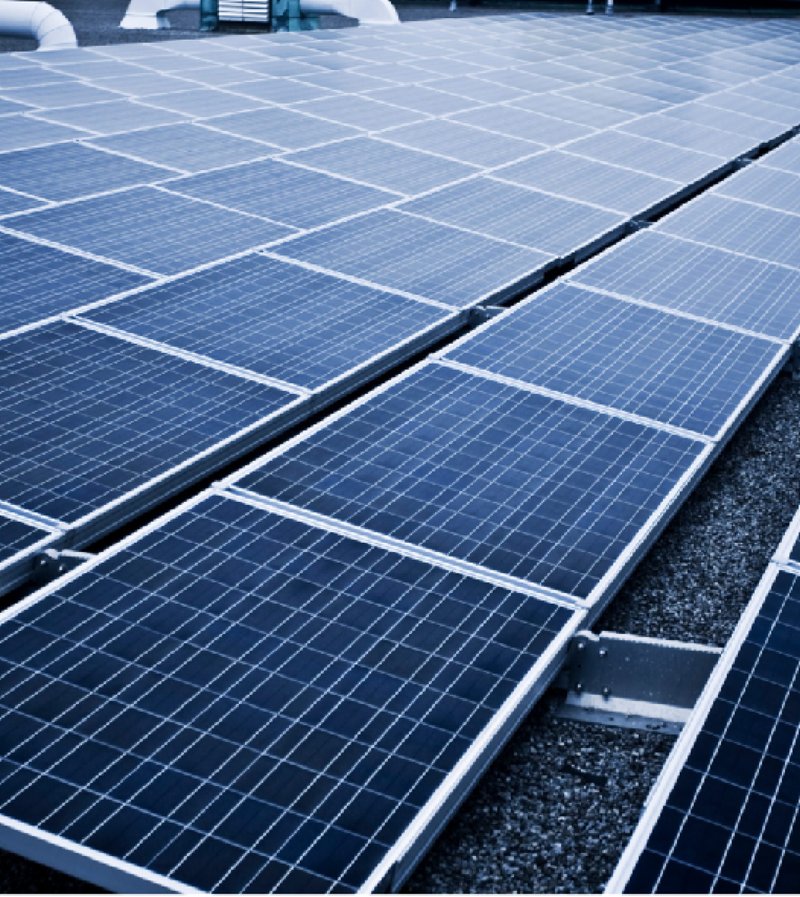
Compared with traditional PERC, you’ll often see tighter degradation rates, better afternoon voltage, and less sensitivity to soiling gradients. N-type substrates common in TOPCon designs resist light-induced degradation, which reduces surprise losses year two and three. Yes, site factors still rule—albedo, tilt, wiring, and local heat—but the physics gives you a wider safety net. And because newer lines focus on cleaner metallization and rear contact quality, long-run stability under high irradiance looks stronger. In short, the new principles aren’t just lab tricks—they align with field needs: lower LCOE, healthier temperature coefficient, and more bankable bifacial gain.
Before you choose, anchor on three metrics that travel well across brands: 1) temperature coefficient at Pmax, since hot roofs are a daily reality; 2) warranted first-year and annual degradation, because the curve after month 12 separates hype from value; 3) verified bifacial gain under your site conditions (not just a brochure number). Keep those three in focus, compare against your load profile, and you’ll narrow the field fast—and with fewer surprises. For a deeper dive into production know-how and emerging cell lines, see LEAD.
